The Truth About Airbnb in Irvine and Anaheim: What Condo Owners Need to Know
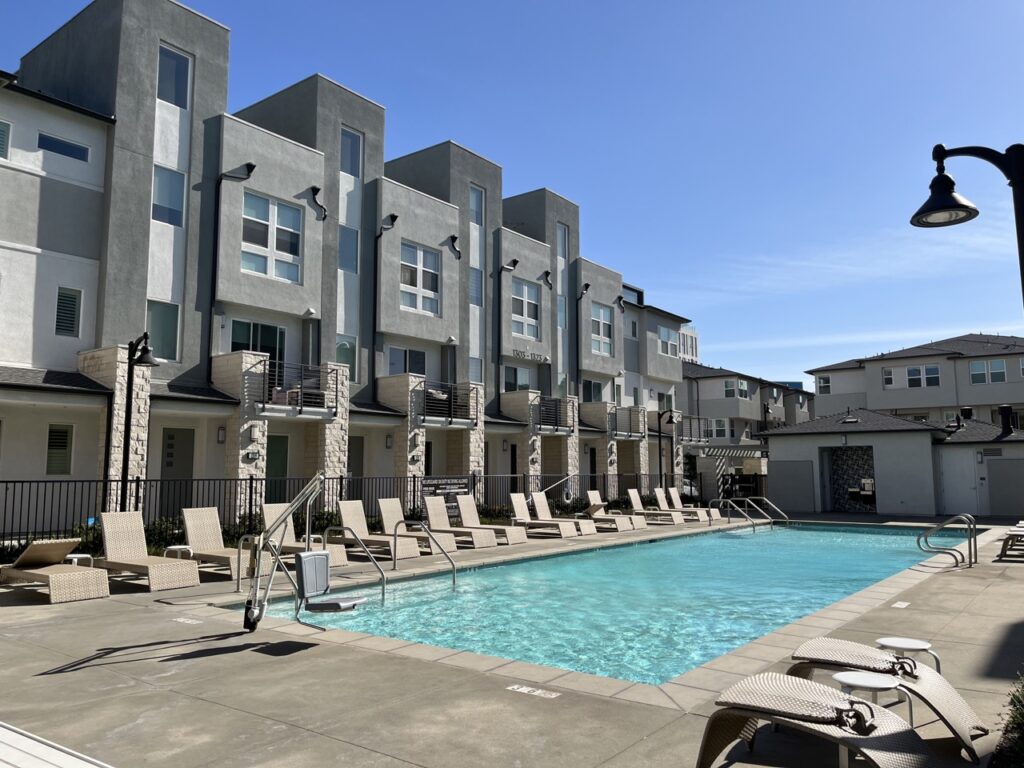 Condo communities like 100 West feature resort-style amenities that naturally appeal to vacationers and make them tempting to operate an AirBNB under the radar.
RELATED BLOG: Are finished rentals more profitable?
If you own a condo in Irvine or Anaheim, you’ve probably wondered:
Can I rent it out on Airbnb or another short-term rental platform?
The short answer: In most cases, no.
1. City Rules Are Clear — and Strict
Both Irvine and Anaheim have made their positions clear when it comes to short-term rentals:
-
Irvine bans any rentals under 30 days.
-
Anaheim phased out most short-term rentals in 2018, except for a small number of grandfathered units that must renew their permits annually.
If you’re not one of those original permit holders, then your condo is not legally allowed to operate as a nightly or weekly rental.
For official reference:
- City of Garden Grove Short Term Vacation Rental Detailed Terms (for Chapman Commons )
2. Some Owners Still Operate Under the Radar
Despite the rules, many owners still quietly rent out their units for short stays. Why? Anaheim is close to the Disneyland Resort and out of town convention goers. Irvine is next to Newport Beach and many corporate travelers want alternatives to extended stay hotels.
In short, a homeowner might run the numbers and it looks like its worth the risk.

But here’s the risk: Enforcement is getting tougher.
In Anaheim, fines for illegal STR activity can reach $2,000 per day. Neighbors are quick to report violations, and HOAs are increasingly cooperating with city inspectors.
While I haven’t heard of stories in Orange County of enforcement getting as serious as Miami in the video above, Newport Beach has certainly done their share of crackdowns especially on the peninsula.
3. Long-Term Rentals Are Still Allowed — But Tricky
The good news: Most HOAs still allow 30+ day rentals. Some owners try to furnish their units and market them as “mid-term rentals” to traveling nurses, corporate relocations, or remote workers.
However, that market is murky and tough to get a handle what the true market is.
While furnished units may command more rent, they also tend to sit longer on the market, and the added vacancy can eat into profits. In many cases, the higher rent is canceled out by the longer downtime between tenants. Another downside is that customers are getting suspicious of almost all rental ads these days and a legitimate listing can often get mistaken as a scam.
4. Are Some Owners Using the Loophole?
There’s a growing trend where owners list their condos as “30-day rentals” — but quietly accept shorter stays if someone asks. They’ll post the listing on Airbnb or other platforms with vague language, hoping to fly under the radar.
This tactic may get the unit visibility — but it also brings scrutiny from HOAs, neighbors, and enforcement agencies. And if caught, owners risk not just fines, but also strikes against their HOA privileges or legal action.
5. The Craziest Misuse We’ve Heard? A Condo Turned Brothel
One of the most shocking examples we’ve come across involved a condo in Orange County that was secretly being used as a brothel.
Residents began noticing unusual patterns: constant, different visitors having a cigarette outside of the unit and constant traffic entering and existing the condo. After multiple complaints to the HOA and property management went unresolved, neighbors decided to take matters into their own hands and harassed the workers and the customers.
 Shared amenities like gyms and clubhouses become flashpoints when illegal uses — like Airbnb or worse — start to disrupt full-time residents.
Final Thoughts
Airbnb may be tempting — especially when your condo feels like a resort — but unless you’re properly permitted, the risks often outweigh the rewards.
If you’re exploring legal ways to rent out your condo — like long-term furnished options or traditional leasing — feel free to reach out. I’d be happy to walk you through smart strategies that protect your property and stay within city guidelines.