In Southern California, what direction did builders take after experimenting with work-live condos?
A. Building more work-live units
B. Conventional townhomes and condos
C. More detached homes
D. Steel high-rise buildings
Answer: B.
Why Are Builders Moving Away from Live-Work Communities?*
In the early 2000s, live-work units seemed like a brilliant idea. Picture this: a home where you could run a small shop or office on the ground floor and live upstairs. It made perfect sense in an era when more people were working from home and when small-scale Amazon retail partnerships were on the rise. It felt like a no-brainer at the time.
But fast-forward to today, and we’re seeing fewer and fewer of these live-work communities being built. Here’s why.
1. The Changing Tides of Demand
Initially, these mixed-use spaces were ahead of their time. They catered to a growing crowd of remote workers and small business owners who dreamed of a short commute—just down the stairs. With the surge in home-based businesses, it was logical to create spaces that blended living and working. Yet, as the housing market evolved, these units started to lose their luster compared to pure residential properties.
2. The Shrinking Buyer Pool
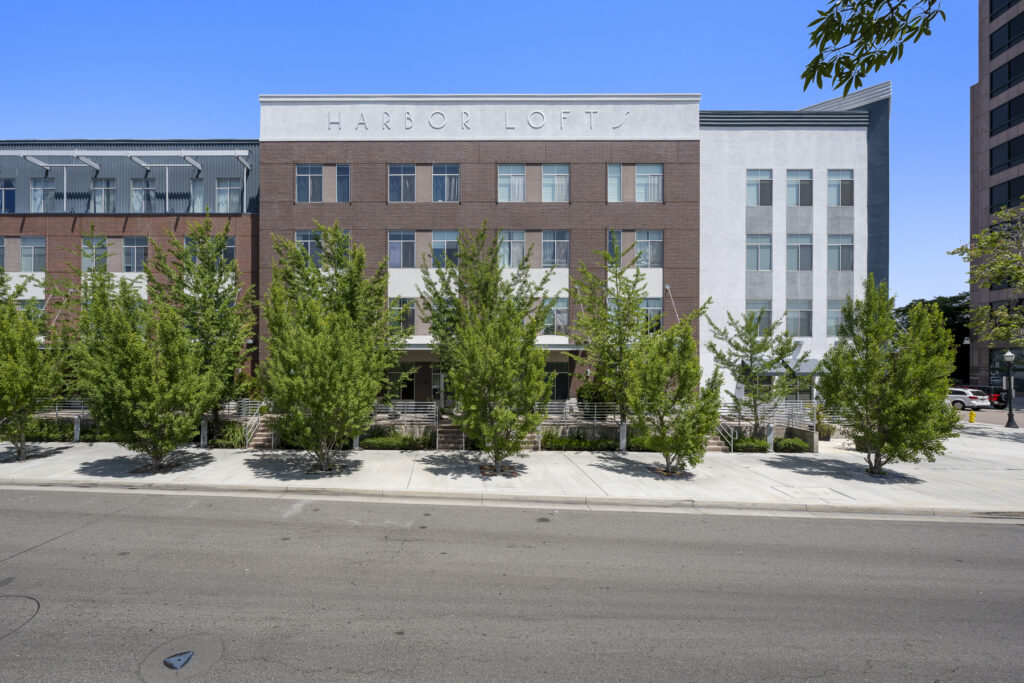
One of the biggest challenges with live-work units is that they appeal to a narrower slice of the market. While some buyers love the idea, many others see it as less flexible or less practical. As a result, these properties often sit on the market longer and may even require price reductions to attract buyers. For example, in communities like Harbor Lofts, we’ve seen live-work units lingering while more traditional condos move quickly.
3. A Real-World Example: The Harbor Lofts Case (and the Parking Puzzle)
Let’s take a concrete example from Harbor Lofts. The last live-work unit there took significantly longer to sell than its purely residential neighbors. Not only did it face a smaller buyer pool, but it also ran into issues with lending. Mixed-use properties can sometimes give lenders pause, adding complexity to the transaction.
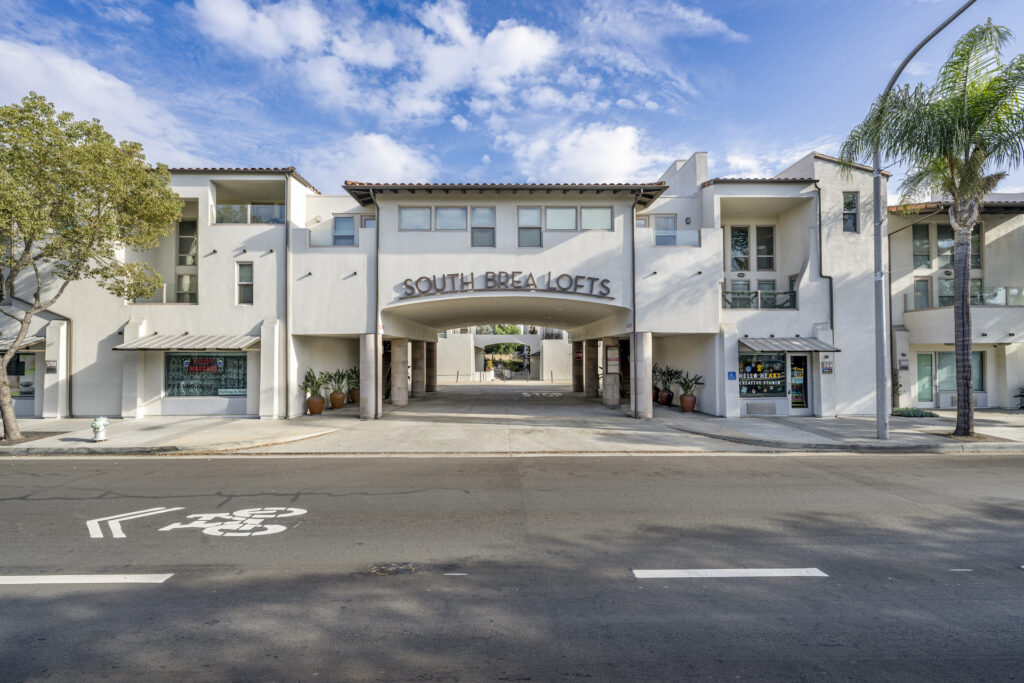
But there’s another layer to this story: parking. In a mixed-use development that includes retail or commercial space, you often need more parking to accommodate not just residents but also customers. Harbor Lofts, for instance, faces a busy street like Harbor Boulevard. While that streetfront sounds great in theory, parking is a real challenge in that area. The same goes for places like Brea Street Lofts, where retail units mean you need even more parking than a typical residential complex. Unfortunately, street parking isn’t always plentiful, and not all cities welcome the idea of clogging up their streets with extra cars.
In short, the parking dilemma is just another piece of the puzzle that makes live-work units a tougher sell. It’s a practical consideration that can further limit the appeal of these properties, making developers think twice before building more of them.
Mixed use makes it difficult for appraisers as well as there really aren’t any viable comps within the same city.
Conclusion
In the end, while live-work units had their moment, the market has largely shifted toward maximizing residential use. That means builders find it more profitable to create straightforward townhomes or condos without the added complexity. For buyers and sellers, it’s just something to keep in mind. And if you’re curious about these unique communities, feel free to check out places like Artist Village, Santiago Street Lofts, Soco Walk, Vantis, and Brea Street Lofts on our site.