Guess which feature Lennar decided to skip on their newest high density development?
A. Balconies
B. Parking
C. Elevators
D. Secure access points
Answer: C
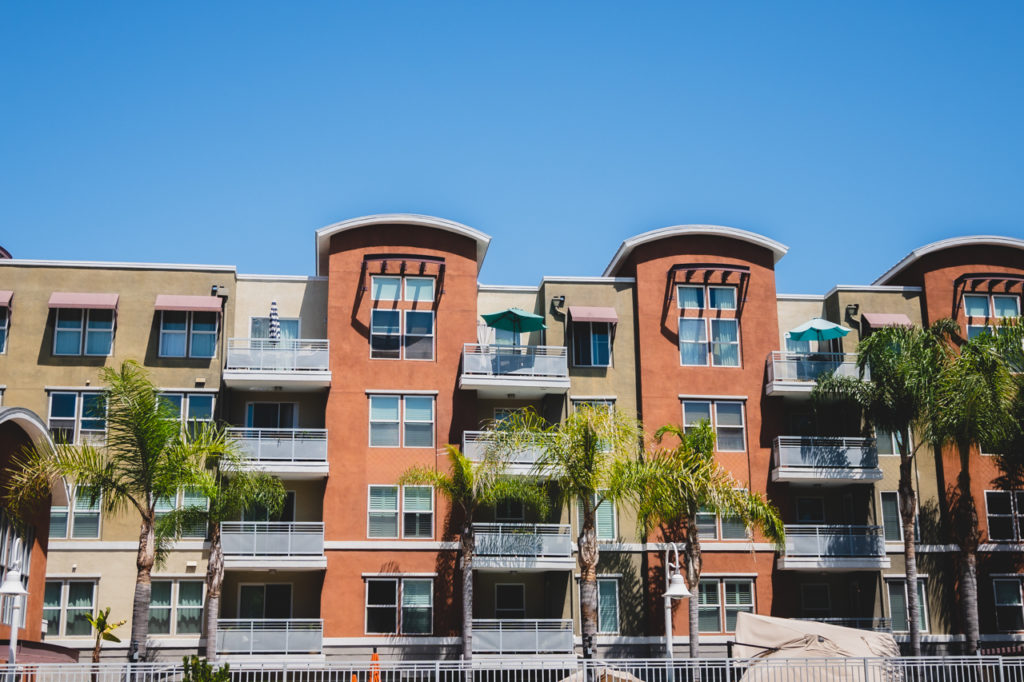
Residents of the Chapman Commons and similar condo communities enjoy the use of an elevator to access the higher floors. Imagine this building without an elevator and just stairs?
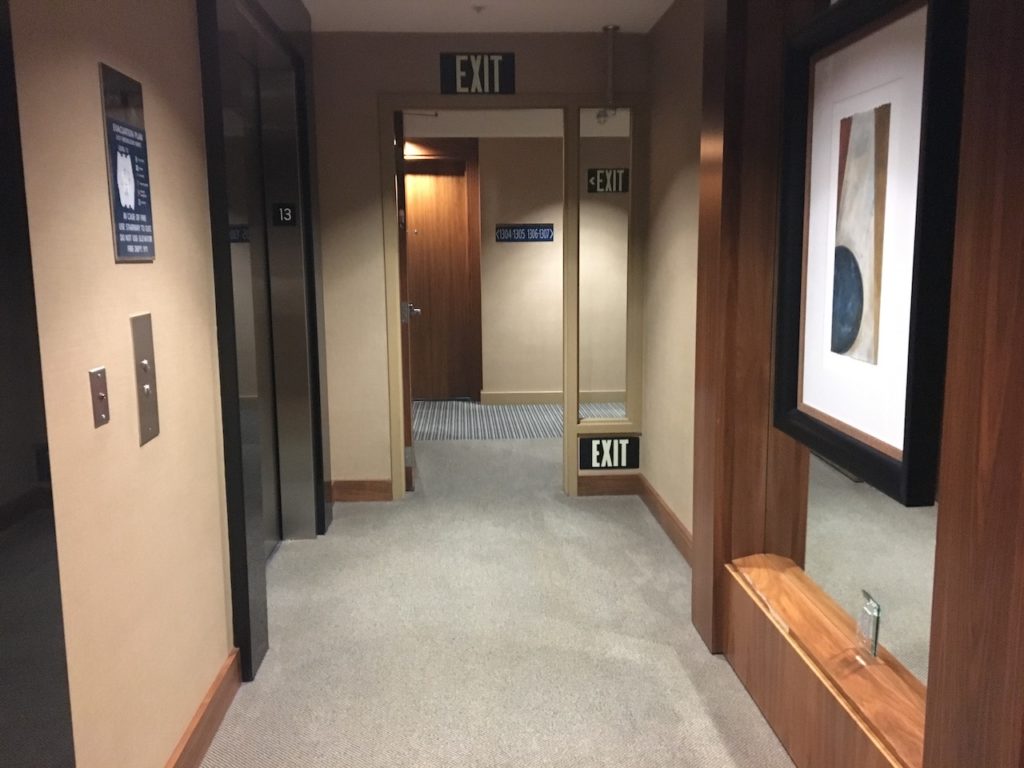
What your mid rise condo community had NO ELEVATORS?
Imagine this scenario: you’ve just returned home to your condo, arms full of groceries, a baby in a car seat, and you’re eyeing a staircase that leads up three stories to your door.
This might sound like a quirky “what if,” but it’s actually a reality in one of Lennar Homes’ recent projects called Amaris in Irvine’s Great Park. Lennar built this community of mid-rise condos entirely without elevators, aiming to keep HOA costs down. It’s an unusual move, especially in Southern California, where convenience is king and most mid-rise buildings feature elevators as a given.

The Impact on Daily Life and HOA Costs
Now, let’s think about how this would translate if your condo community adopted a similar design. All high density communities currently enjoy the convenience of elevators, making it easier to get from parking to your front door. If those elevators were gone, residents would not only have to adjust to a more physically demanding lifestyle—think lugging groceries or furniture up several flights of stairs—but it could also influence property values and market appeal.
While Amaris has private garages for each residence, the similar communities offering flats on a high floor with private garages like 100 West, A-Town, and The Domain all have elevators to go up to the top floor.
On the plus side, removing elevators does save on maintenance costs and can lower HOA fees. In the case of Amaris, Lennar aimed to reduce the HOA burden by skipping elevators altogether. For a newer community like Amaris, HOA costs are still around $600 a month, which is already on the higher side. So it begs the question: would that cost be even higher if elevators were included?
How the Market Reacted to Amaris and Implications on New Projects
What makes the Amaris experiment especially interesting is that, despite the lack of elevators, the community still sold out. Even more telling, the largest floor plans — many of which were located on the third floor — reportedly sold for around $1.3 million. That’s a strong signal that buyers were willing to accept the trade-off in exchange for newer construction, location, and overall design.

It’s fair to argue that Amaris may be a somewhat isolated case. Irvine has a long track record of absorbing new housing almost regardless of configuration. There’s a strong sentiment in the market that “you can build just about anything in Irvine and buyers will show up,” especially when inventory is tight and the neighborhood planning is as polished as Great Park.


Anaheim, however, may not get the same automatic pass. Buyers there tend to be more price-sensitive and more value-driven, which could make an elevator-free mid-rise a tougher sell on paper. Also, the recent incentives being offered by Lennar on their current townhome community “Brio” might make them more cautious. That said, Amaris gives builders like Lennar a real-world data point they can point to: proof that buyers will accept stairs — even to upper-level units — if the pricing, design, and long-term HOA structure make sense.
If Lennar does pursue an Amaris-style project on their high-density land in A-Town, it would likely be a calculated risk, not an experiment. The success at Amaris gives them justification to try a similar model, especially if keeping HOA costs in check becomes a bigger selling point in the next cycle. For buyers and existing condo owners, it’s a reminder that design decisions once considered “non-starters” can quickly become normalized when the market proves they work.