Orange County Condo Quiz
Which property type has generally produced stronger resale values over the past 20 years?
A. Traditional townhomes
B. Work-live townhomes with office or retail space below
C. About the same
Answer: A.
When work-live communities began appearing throughout Orange County in the early 2000s, they seemed like the future of urban living. The concept was simple: live upstairs, operate a business downstairs, walk to restaurants, and eliminate your commute.
Yet twenty years later, very few builders are constructing new work-live communities. Instead, developers have overwhelmingly returned to building conventional townhomes.
Why?
One possible answer can be found in the resale market.
The Resale Data
I compared several Orange County communities that include work-live floor plans with nearby traditional townhomes of similar age and location.
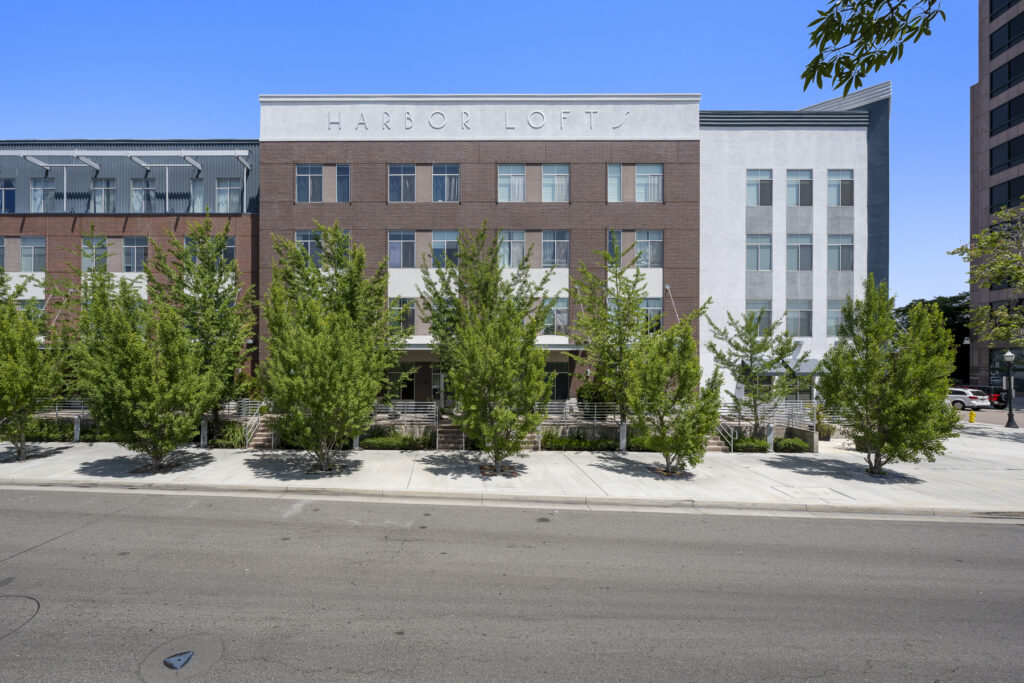
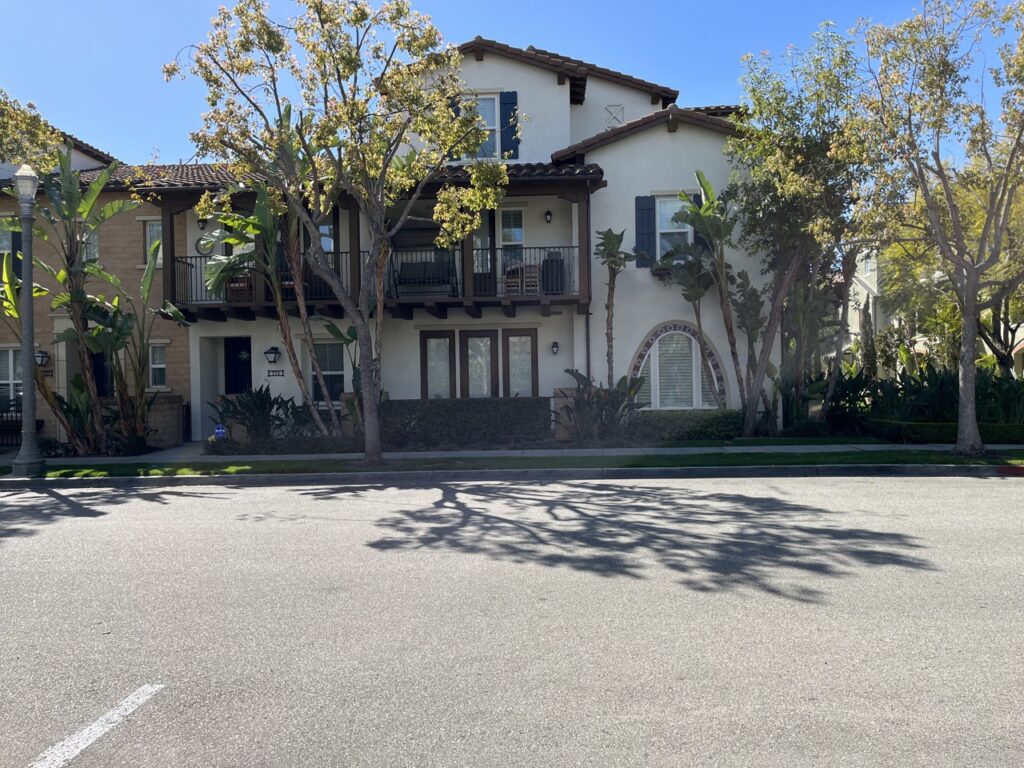
The Harbor Lofts comparison in Anaheim isn’t perfect because Colony Park has lower HOA dues, attached two-car garages that aren’t included in the living area, and a quieter suburban setting. Even so, Harbor Lofts’ work-live units have generally sold for less on a price-per-square-foot basis.
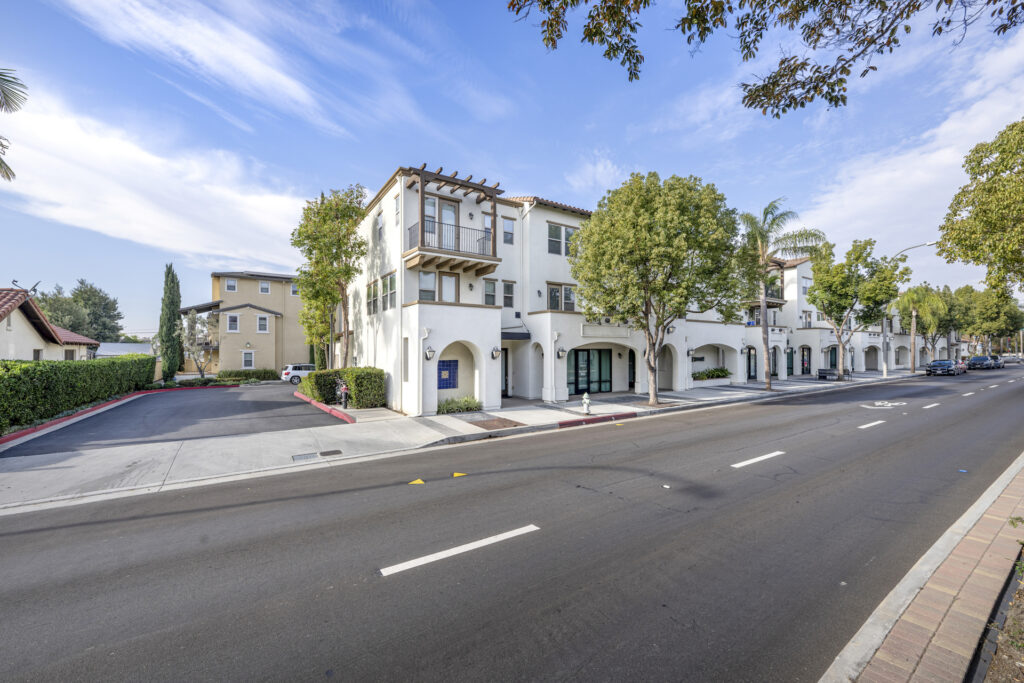
A stronger comparison comes from South Brea Lofts and the neighboring Downtown Brea Collection.
| Community | Home Type | Avg. Living Area | Avg. Sale Price | Avg. Price/Sq. Ft. |
|---|---|---|---|---|
| South Brea Lofts / Downtown Brea Collection | Work-live | ~2,100 sq. ft. | ~$627,000 | ~$301/sq. ft. |
| Nearby Traditional Townhomes | Residential | ~1,500 sq. ft. | ~$636,000 | ~$430/sq. ft. |
What surprised me wasn’t just the price per square foot. The work-live homes averaged roughly 600 additional square feet, yet sold for almost the same overall price as the smaller townhomes. In other words, buyers weren’t valuing that extra office or retail level the same way they valued traditional living space.
One sale particularly stood out. A retail unit in Downtown Brea Collection sold for less than several conventional townhomes directly across the street, despite offering a dedicated storefront. If buyers truly placed a premium on that commercial component, you would expect the opposite result.
Why Didn’t More Buyers Embrace the Concept?
One reason may simply be how buyers envision themselves living in the home.
A traditional townhome gives buyers another bedroom, family room, or flexible living area. A work-live unit often replaces that space with a room featuring storefront windows, separate entrances, and commercial finishes. Even if a buyer has no intention of operating a business, they’re still paying for square footage that may feel less private and less functional than a traditional room.
Ironically, working from home has become more common than ever. But today’s remote worker often needs nothing more than a spare bedroom or loft with a laptop. The dedicated storefront that seemed so innovative twenty years ago has become a niche feature instead of a necessity.
Builders Faced Challenges Too
The challenges weren’t limited to buyers.
A residential community is relatively straightforward to design and manage. A mixed-use community introduces an entirely different set of issues.
Retail businesses require customer parking, delivery access, commercial insurance considerations, and ADA accessibility. Certain businesses create additional waste, grease disposal requirements, odors, noise, or increased fire risks.
That’s why many homeowners associations eventually adopted lengthy lists of prohibited businesses. For example, South Brea Lofts needs prior approval for restaurants, coffee shops, nail salons, medical offices, tattoo shops, pet grooming, daycare facilities, tobacco stores, hotels, manufacturing businesses, and many other commercial uses. Those restrictions help preserve the residential character of the community, but they also limit one of the primary selling points of owning a live-work property.
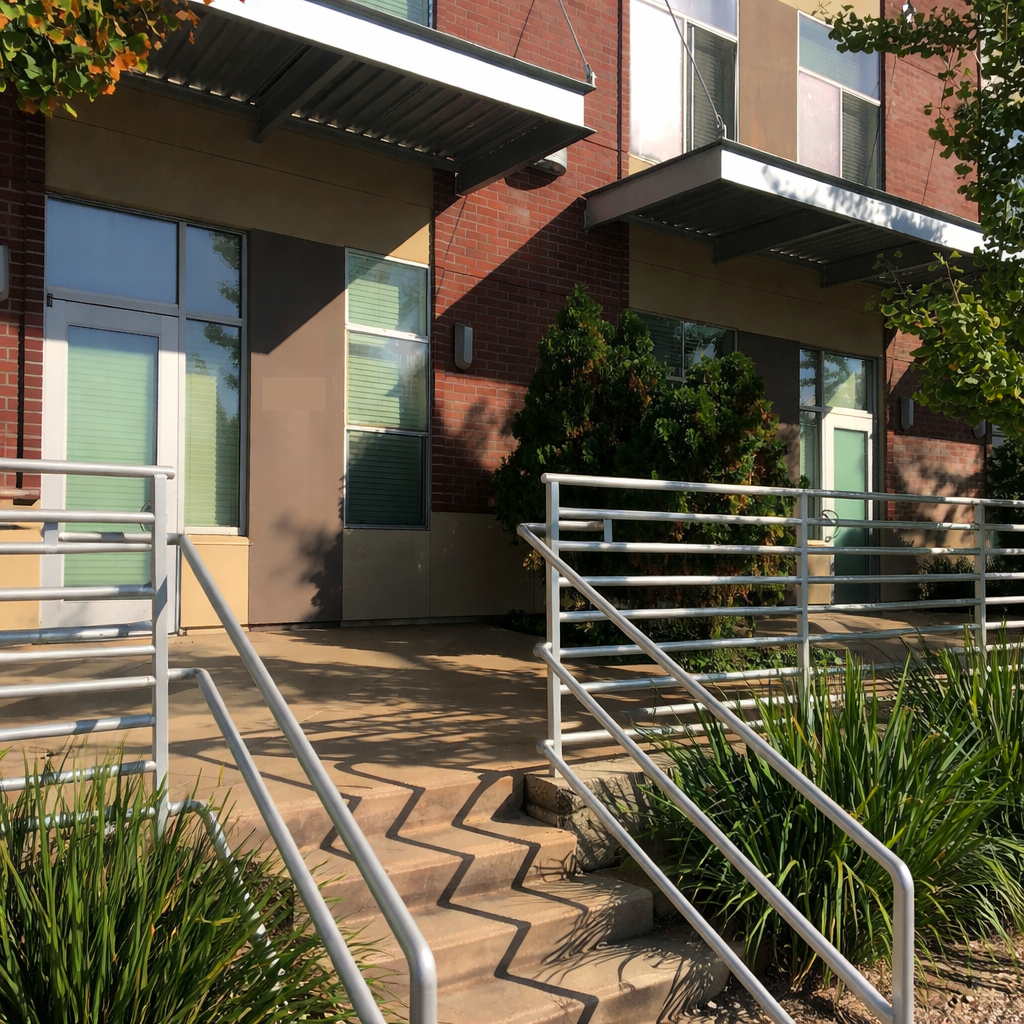
Then there’s Harbor Lofts, where retail signage facing busy Harbor Boulevard is no longer permitted. I’m not certain whether that restriction comes from the City of Anaheim or the HOA, but I do remember several businesses displaying signs when the community was first built. Today, you won’t find a single business sign visible from Harbor Boulevard, which greatly reduces the exposure many business owners would expect from a street-facing retail space. To make matters more challenging for businesses that rely on walk-in customers, street parking is prohibited along Harbor Boulevard. Visitors must instead find parking on Center Street or elsewhere in the neighborhood, adding another layer of inconvenience for both customers and business owners.
The Untapped Potential
Despite those drawbacks, I don’t think work-live units should be dismissed. In fact, I believe they’re still one of the more overlooked housing concepts in Orange County.
For entrepreneurs, the commercial space can offer opportunities that simply don’t exist with a traditional townhome. Depending on HOA rules and local regulations, some owners may be able to lease the office or retail portion separately from the residence, helping offset monthly housing costs. Business owners may also benefit from financing options such as SBA owner-occupied loans, allowing them to build equity instead of paying rent to a commercial landlord.
The separate entrance can also be valuable for professionals who regularly meet with clients, receive deliveries, or simply want to separate work from home life. Real estate agents, designers, architects, accountants, photographers, and consultants may all find practical uses for a dedicated office that doesn’t require clients to walk through the main living area.
Even owners who never operate a business often convert the downstairs space into a gym, art studio, workshop, home theater, or hobby room. While the market may not value that square footage as highly as a traditional bedroom, the flexibility shouldn’t be overlooked.
The Market Ultimately Chose Simplicity
The interesting thing about work-live homes is that they didn’t disappear because they were bad ideas. They simply appealed to a much smaller group of buyers.
Most families preferred another bedroom over a storefront. Most developers preferred designing around residential parking instead of customer parking. Most HOAs preferred managing homes rather than regulating businesses.
The result is that work-live communities remain an interesting chapter in Orange County’s housing history. For the right owner, they can be fantastic places to live and work. But the resale market has consistently shown that the average buyer is willing to pay a premium for a more traditional townhome floor plan.
Sometimes the market tells us which ideas become the future. Other times, it quietly reminds us that the simplest design is often the one buyers value the most.